


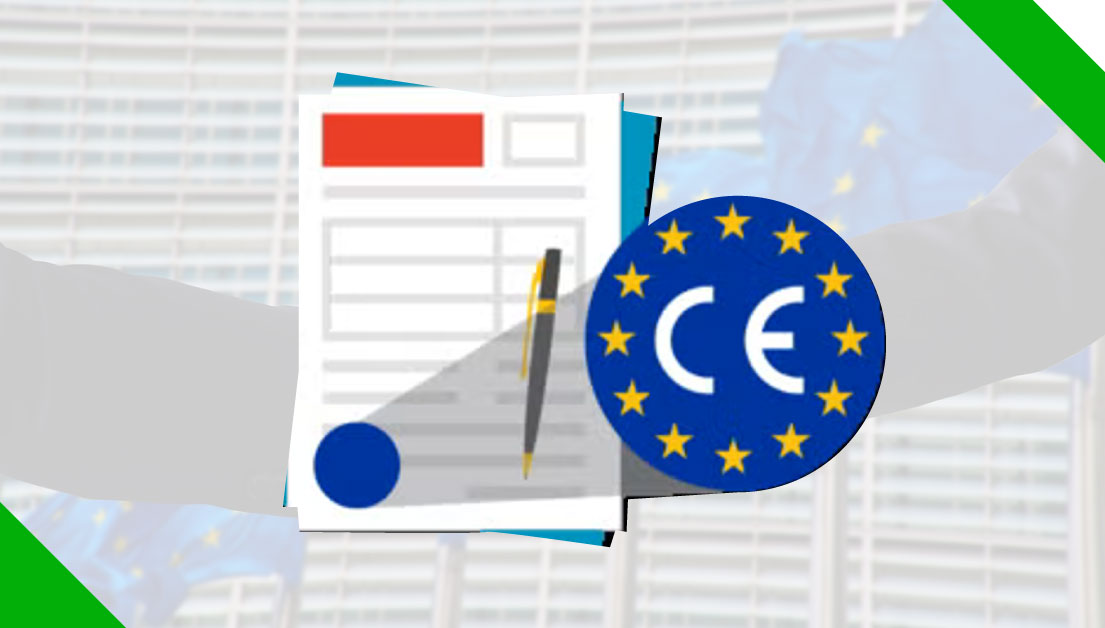
CE Certification is a mandatory marking that confirms a product meets the safety, health, and environmental protection requirements set by EU directives.
Who Needs It?
CE marking is required for products sold or used within the European Economic Area (EEA). It is mandatory for product categories covered by EU directives, including:
- Electrical equipment
- Medical devices
- Toys
- Construction materials
- Machinery and equipment
- Personal protective equipment
CE certification is also required in the eastern regions of the continent, including India, Kazakhstan, Uzbekistan, African countries, Australia, Latin America, the USA, and others. These countries have their own internal certification processes, but the CE certificate can serve as proof of product safety and the first step toward entering the eastern markets.
CE Certification Process
- Identify relevant directives and standards – determine which EU regulations apply to the product.
- Prepare technical documentation – including product design, test reports, risk assessments, and safety measures.
- Conformity assessment – conduct testing and verify technical documentation.
- Involvement of a notified body (if required) – for more complex product categories.
- EU Declaration of Conformity – the manufacturer signs a document confirming the product’s compliance with EU requirements.
- CE marking – placing the CE symbol on the product.